
AI for CCUS Value Chain: Innovation, Uncertainty and the Role of Expertise
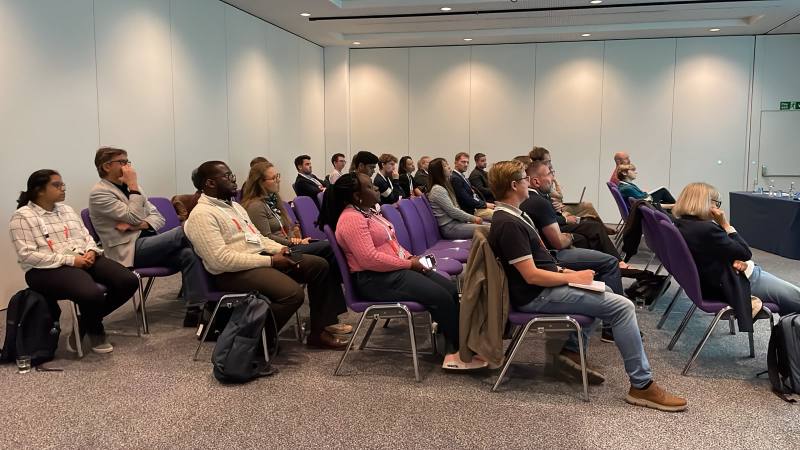
Artificial intelligence is opening up new possibilities across the CCUS value chain, from optimising carbon capture and system integration to enabling new approaches to subsurface modelling and monitoring. The Dedicated Session “AI for the CCUS Value Chain” at the 2026 World CCUS Conference, chaired by Sarah Perez (Heriot-Watt University, UK), explored both the opportunities and […]
InCapture and Yara to explore Pilbara carbon storage hub
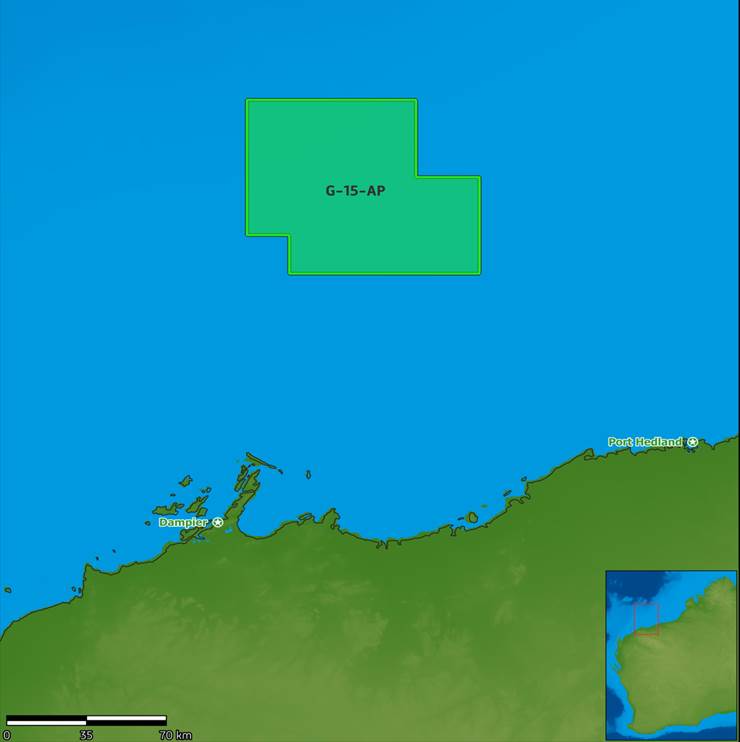
InCapture Pty Ltd and Yara Pilbara Fertilisers Pty Ltd have signed a non-binding Memorandum of Understanding (MoU) to explore the development of large-scale offshore carbon storage infrastructure in Western Australia’s Pilbara region. The companies will assess the technical, regulatory and commercial pathways for a potential multi-user Carbon Capture and Storage (CCS) Hub, which could provide […]
Webinar exploring three-phase flow in porous media for CCS and hydrogen storage
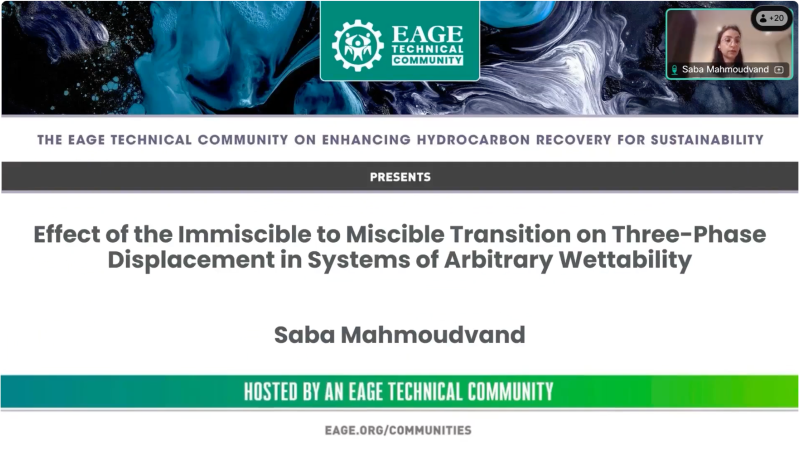
Understanding three-phase flow in porous media is essential for improving technologies such as carbon capture and storage (CCS), hydrogen storage and fuel cells, where the movement and interaction of multiple fluid phases directly affect system performance. To explore this topic, the EAGE Technical Community on EOR/IOR recently hosted a webinar “Effect of the Immiscible to […]
PeroCycle partners with PKU Pioneer and io to accelerate industrial decarbonisation

PeroCycle has announced strategic partnerships with Beijing Peking University Pioneer Technology Corporation (PKU Pioneer) and io consulting to accelerate the development and commercialisation of its closed-loop carbon recycling technology for hard-to-abate industries. The collaborations combine PeroCycle’s carbon recycling technology with PKU Pioneer’s expertise in gas separation and purification, and io’s engineering capabilities in complex energy […]
Williams contracts ExxonMobil for CO2 transportation and storage services
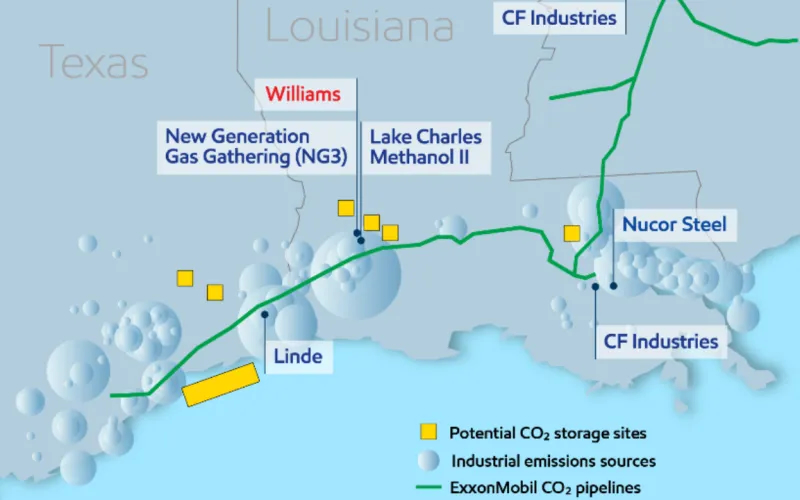
Energy infrastructure company Williams has contracted ExxonMobil to provide CO2 transportation and permanent storage services, strengthening the development of integrated carbon capture and storage (CCS) infrastructure in the US Gulf Coast region. Under the agreement, ExxonMobil will transport and permanently store up to 1 million tonnes per annum of CO2 captured from Williams’ natural gas-fired […]
Liverpool Bay CCS secures seabed lease for UK’s HyNet offshore CO2 storage project
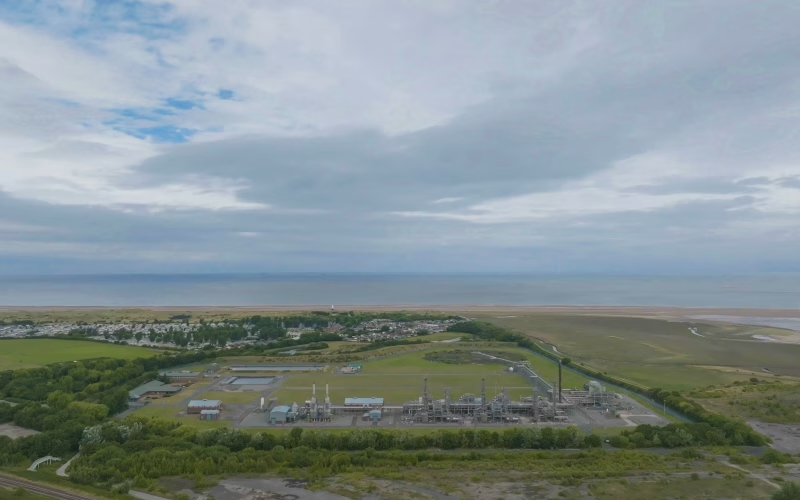
Liverpool Bay CCS Ltd, part of Eni CCUS Holding Group, has secured a seabed lease from The Crown Estate for the offshore carbon dioxide (CO2) transportation and storage infrastructure supporting the HyNet industrial decarbonisation cluster. The agreement marks a milestone for the project, which is set to become the UK’s first carbon capture and storage (CCS) […]
Project CAPTURED achieves regulatory milestones for onboard captured CO2 through EU ETS and IMO pathways
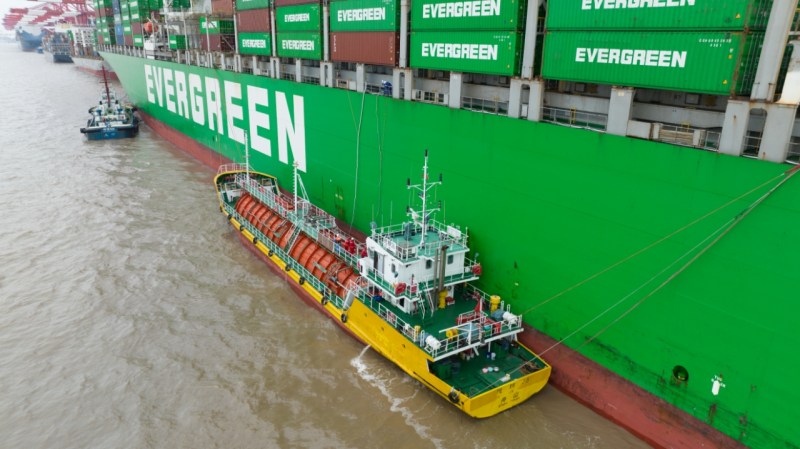
Project CAPTURED has achieved two regulatory milestones that strengthen the pathway for onboard carbon capture and storage (OCCS), with the European Union Emissions Trading System (EU ETS) recognising deductions for onboard captured CO2 and the International Maritime Organization (IMO) giving in-principle support for carbon mineralisation as a permanent CO2 storage pathway. Orchestrated by the Global […]
Petrogas selects Worley for pre-FEED study of Dutch Abeona CCS project
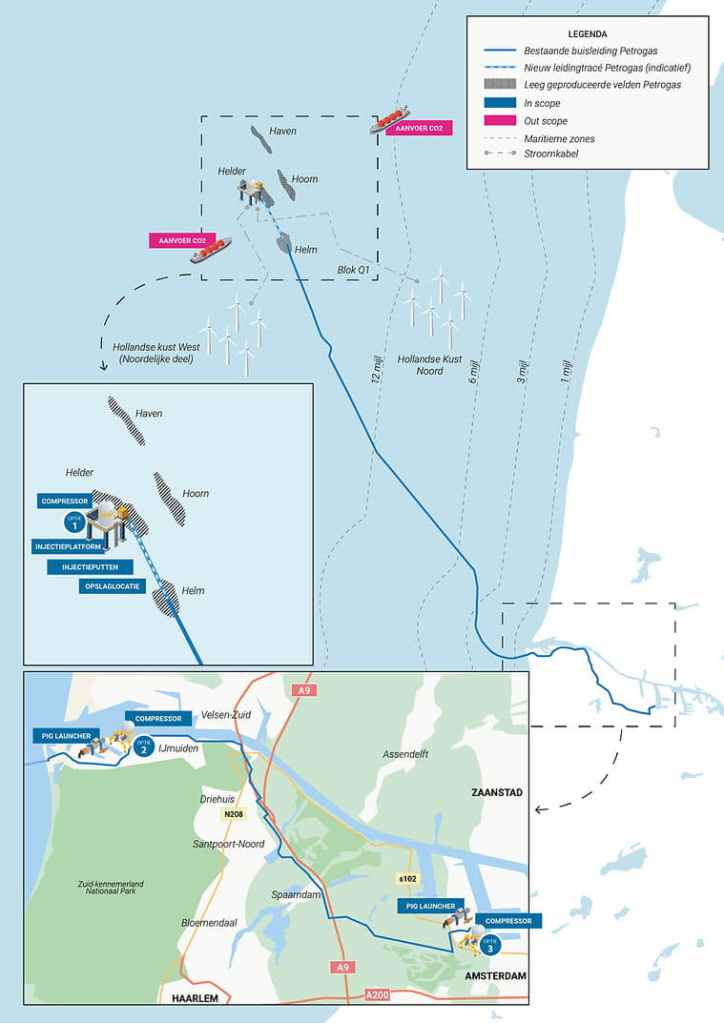
Petrogas has selected Worley to deliver the pre-front-end engineering design (pre-FEED) study for the Abeona CCS project in the Dutch North Sea. The Abeona CCS project aims to develop a CO2 transport and storage hub for hard-to-abate industrial emitters in the North Sea Canal Area and other regions of the Netherlands. It will repurpose depleted […]
Harbour Energy advances Viking CCS project with UK development funding approval
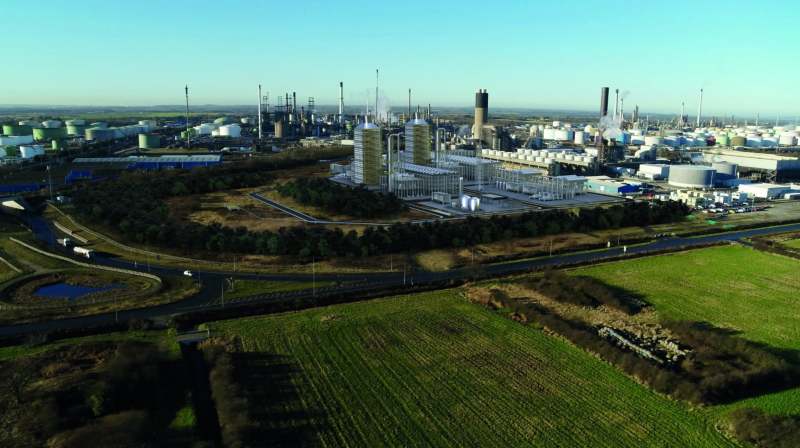
Harbour Energy has welcomed UK Government approval of development funding for the Viking CCS project, marking an important step towards a final investment decision, subject to project readiness and affordability. Viking CCS is Harbour Energy’s operated CO2 transport and storage project in the Humber region, designed to support decarbonisation in one of the UK’s most […]
IETA’s Carbon Management Business Briefs on biochar, BECCS and CCUS

IETA has published a series of Carbon Management Business Briefs covering three key carbon management pathways: biochar; bioenergy with carbon capture and storage (BECCS); and carbon capture, utilisation and storage (CCUS). The briefs provide an overview of each pathway, covering technology developments, market trends, policy considerations, carbon crediting approaches and key factors influencing future deployment. […]