
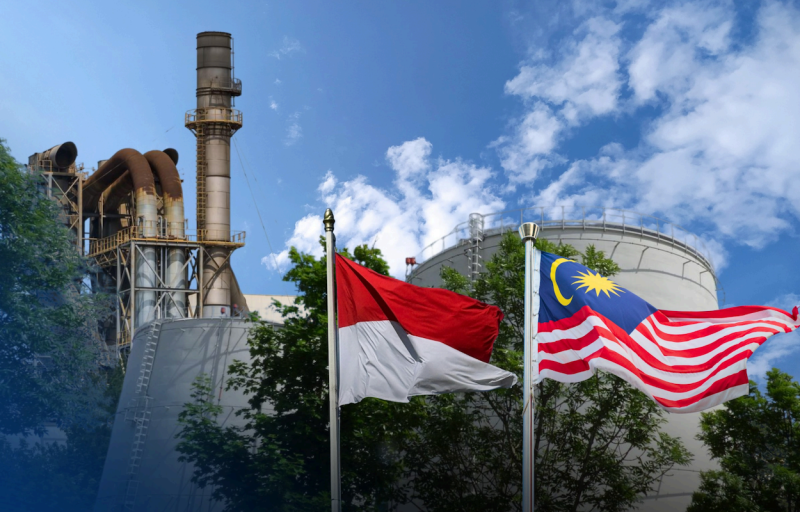
As Southeast Asia accelerates its energy transition, CCS/CCUS is becoming an important solution for reducing emissions, particularly in hard-to-abate sectors. A new policy brief from the ASEAN Centre for Energy examines how Indonesia and Malaysia are developing regulatory frameworks aimed at attracting investment while safeguarding environmental integrity.
Both countries have made significant progress and are positioning themselves as regional leaders in CCS/CCUS development. At the same time, challenges remain. Regulatory complexity, gaps in cross-border rules, and the need for clearer long-term liability and monitoring systems continue to shape investor confidence.
The report outlines targeted recommendations to strengthen these frameworks. For Indonesia, streamlining approval processes and clarifying commercial frameworks could help accelerate CCS/CCUS projects. For Malaysia, clearer funding mechanisms, defined liability structures, and stronger public engagement are seen as priorities. More broadly, aligning standards across the region, including monitoring, reporting and verification, would support the growth of cross-border CCS/CCUS initiatives.
As momentum builds across Southeast Asia, well-designed regulation will play a central role in scaling CCS/CCUS and ensuring it delivers meaningful climate impact.
Photo courtesy of the ASEAN Centre for Energy